Okay, time for another writing question for our four authors. If you're new to this part of the blog, it all started last year when the four were on a panel at a Capital Crime Writing event. When their time was up, there were still plenty of questions left unasked. So, I've been working through them, one per month. We're almost at the end of the pile so, maybe I'll open it up to questions from the readers. Does that sounds like a good idea? You can respond on my Facebook page because I know it's sometimes hard to comment on this blog.
Here's the question this time around: How do sidekicks enhance a hero's character?
Barbara Fradkin:
The best characters are studies in contrast. Contrasting looks, style, interests, and personality all serve to make an interaction more vivid and dramatic, and increase the tension and impact of a scene. The most effective sidekicks provide an ongoing contrast and backdrop against which the character of the hero can stand out, and contribute to the push-pull of the scenes they share. Where the hero is whimsical, the sidekick is practical, where the hero is brilliant, the sidekick is befuddled, and so on… Sidekicks shouldn’t overshadow the hero, but serve as a foil against which the strength, bravery, or intelligence of the hero can shine.
Sidekicks enhance the hero’s character in other ways as well; by showing how they cope with friendship, closeness, loyalty in a relationship, and by acting as a sounding board for the hero’s doubts, ruminations, and deductive efforts throughout the story.
Mary Jane Maffini:
The right sidekick can complement the hero's character, speaking about him or her in a way the hero couldn't speak about her or himself. Sidekicks are great at getting the hero to engage in passionate conversation, revealing character with every sentence. Also (if picked with care) the sidekick can take care of some of the more mundane daily activities, leaving the hero free to be heroic. A sidekick can also do things necessary to solve the dire situation that the hero might not be willing to. Blow things up, for instance, or steal cars. I am speaking of my own wicked sidekicks here, not of my blushingly well-behaved heroes.
R.J. HARLICK:
Sidekicks are fun. They add dimension to the main protagonist. They can also be a counterbalance. While sidekicks don’t usually share the same personality traits as the main protagonist, their personality will compliment that of the main protagonist. When writing with more than one POV, a sidekick can also provide another perspective of the story not shared by the main protagonist. They can also be used to convey information not known by the main protagonist. Often in a series with an amateur sleuth, the sidekick is a policeman or woman in order to provide the police procedural aspects in the solving of the murder. I think every good crime story needs an engaging sidekick or two.
Linda Wiken/Erika Chase:
You've heard the old adage about knowing a person by the friends they keep -- well, that's one big reason for choosing sidekicks with care. He/she or they can either enhance the protagonist's image or make a reader question whether or not they like this person enough to read on. They can be used to draw out the hero's ideas and views, to add contrast to scenes where the hero might need to be serious while the sidekick can add some humour, and to say things your hero really shouldn't be saying. These are secondary characters so that's the role they should always be playing. But the main thing is, everyone needs a friend, even our characters. Especially our characters.
Showing posts with label Canadian crime writers. Show all posts
Friday, March 13, 2015
Friday, February 13, 2015
CRIMINAL TENDENCIES
Time for this month's question once again. You may have forgotten at this point that it all started back last spring when four local mystery authors, Barbara Fradkin, R.J. Harlick, Mary Jane Maffini, and Linda Wiken were panelists at a Capital Crime Writers' workshop at the Ottawa Public Library. We had a great time but we also had a great stack of questions and by the end of our time, hadn't gotten through many of them. So, we're tackling them now. One a month. Sometimes we're all able to take part but at other times life interfers -- things like deadlines or even, holidays! -- so this week we're a threesome. Here's the question and our answers follow:
Protagonist, sidekick, villain -- which do you prefer to write?
MARY JANE MAFFINI:
I am most at home with the protagonist. The protagonist carries your values and is the person the reader cares about (if all goes well) but really, the sidekicks (quirky, irritating or whatever) and the villains (over the top, vengeful, evil, again whatever) are much more fun to write. Especially villains because you can get rid of them at the end of a book. Begone!
LINDA WIKEN:
This may turn out to be another question with total agreement. I find the protagonist the easiest to write, especially in a series, because the author has to get into his or her psyche right off the bat and that expands over time. And, if you're going together on a long journey of several books, this should be someone you like. Unless you're writing an anti-hero, it's not difficult to come up with a likeable character. Writing the villain can be liberating with an outlet for any deep-seated neuroses. :) No one would ever attribute those to the author's personality! The sidekick is the most fun because this person gets to be sympathetic, empathetic, play the role of a sounding board, and give the protagonist a good kick in the rear when necessary. Everyone need a reliable sidekick.
BARBARA FRADKIN:
Villains let us plumb our dark side and misbehave outrageously. It’s a great way for us writers, who are usually gentle, law-abiding, pacifist souls, to kick loose and be bad. Sidekicks are steadfast, smart and loyal, the friend we wish we could have at our side. But it is the protagonist who really holds our heart. When I write, even though I use multiple points of view, the protagonist is the one in whose shoes I walk and whose feelings and passions I share. Not only do I have to care about my protagonist and all the ordeals I am subjecting them to, but in order to spend months or years in their company, I have to enjoy them too.
Protagonist, sidekick, villain -- which do you prefer to write?
MARY JANE MAFFINI:
I am most at home with the protagonist. The protagonist carries your values and is the person the reader cares about (if all goes well) but really, the sidekicks (quirky, irritating or whatever) and the villains (over the top, vengeful, evil, again whatever) are much more fun to write. Especially villains because you can get rid of them at the end of a book. Begone!
LINDA WIKEN:
This may turn out to be another question with total agreement. I find the protagonist the easiest to write, especially in a series, because the author has to get into his or her psyche right off the bat and that expands over time. And, if you're going together on a long journey of several books, this should be someone you like. Unless you're writing an anti-hero, it's not difficult to come up with a likeable character. Writing the villain can be liberating with an outlet for any deep-seated neuroses. :) No one would ever attribute those to the author's personality! The sidekick is the most fun because this person gets to be sympathetic, empathetic, play the role of a sounding board, and give the protagonist a good kick in the rear when necessary. Everyone need a reliable sidekick.
BARBARA FRADKIN:
Villains let us plumb our dark side and misbehave outrageously. It’s a great way for us writers, who are usually gentle, law-abiding, pacifist souls, to kick loose and be bad. Sidekicks are steadfast, smart and loyal, the friend we wish we could have at our side. But it is the protagonist who really holds our heart. When I write, even though I use multiple points of view, the protagonist is the one in whose shoes I walk and whose feelings and passions I share. Not only do I have to care about my protagonist and all the ordeals I am subjecting them to, but in order to spend months or years in their company, I have to enjoy them too.
Friday, July 25, 2014
CRIMINAL TENDENCIES
We're back! And if you're following the Criminal Tendencies thread, you'll know that once a month, we four writers (although it's only three this month)answer a question about writing that was "left over" from a day-long workshop held by Capital Crime Writers in the spring. We had so many questions at the ready and so little time, the Mystery Maven blog seemed the ideal way to deal with the remainder. So, we, today being Mary Jane Maffini, Barbara Fradkin and Linda Wiken, aka Erika Chase, continue.....
Today's question: What is the main challenge of writing a series character and how do you handle it?
Mary Jane Maffini:
There seems to be a trio of main challenges with writing a series character: first is keeping the characters and setting fresh and not writing the same conflicts and same behaviours over and over again, Secondly, the main character has to change and grow as a result of what has happened in previous books and yet, still be the same person that readers care about. The third challenge is providing enough back story about pre-book history and what has happened in the series without giving away any plot 'secrets' or smothering the reader in an info dump.
Never mind! It's all fun.
Barbara Fradkin:
The main challenge is to avoid tilling old soil and boring both your readers and yourself. If you feel you are telling the same old story, it’s time to throw a spanner into the works. Shake up your sleuth’s personal life, change the supporting cast, or change the setting. I’ve done all these over the course of the Inspector Green series. A new baby, an aging parent, or a divorce are all challenges that add to stress and reveal different facets of your sleuth’s character, as well as adding to his humanity. Adding a new boss or sidekick, killing one off, or giving the supporting characters their own crises also greatly enriches the series. As writers we become as attached to our supporting cast as readers do, so give us reasons to care and worry about them. Changing the setting is very freeing; it provides new challenges and alters the type of story you are telling. My Nahanni story is not a police procedural with Green as the master of deduction; it is about Green the desperate father coping with unfamiliar and terrifying wilderness.
Linda Wiken/Erika Chase
The main concern is trying to keep the series fresh so that the reader, and the writer, don't turn off and get bored. However, I think it might be even a bigger challenge keeping the writer excited. One way is to develop the main character into someone who is real. And, as a real person encounters difficulties in day to day life, and hopefully grows from working these out, so too the main character in the series will. To me, Lizzie Turner, my main gal and one of the instigators of the book club, has become real. When having a cup of espresso in the morning, I'll often think about what she might be doing at that point. When a friend is trying to work through a problem, it affects me. And so, I worry about Lizzie and hope she'll find a solution when she's faced with the same. But of course, here I get to step in and solve it for her. If I keep Lizzie alive and fresh and evolving, I'll stay interested, and hopefully, so will the reader.
Today's question: What is the main challenge of writing a series character and how do you handle it?
Mary Jane Maffini:
There seems to be a trio of main challenges with writing a series character: first is keeping the characters and setting fresh and not writing the same conflicts and same behaviours over and over again, Secondly, the main character has to change and grow as a result of what has happened in previous books and yet, still be the same person that readers care about. The third challenge is providing enough back story about pre-book history and what has happened in the series without giving away any plot 'secrets' or smothering the reader in an info dump.
Never mind! It's all fun.
Barbara Fradkin:
The main challenge is to avoid tilling old soil and boring both your readers and yourself. If you feel you are telling the same old story, it’s time to throw a spanner into the works. Shake up your sleuth’s personal life, change the supporting cast, or change the setting. I’ve done all these over the course of the Inspector Green series. A new baby, an aging parent, or a divorce are all challenges that add to stress and reveal different facets of your sleuth’s character, as well as adding to his humanity. Adding a new boss or sidekick, killing one off, or giving the supporting characters their own crises also greatly enriches the series. As writers we become as attached to our supporting cast as readers do, so give us reasons to care and worry about them. Changing the setting is very freeing; it provides new challenges and alters the type of story you are telling. My Nahanni story is not a police procedural with Green as the master of deduction; it is about Green the desperate father coping with unfamiliar and terrifying wilderness.
Linda Wiken/Erika Chase
The main concern is trying to keep the series fresh so that the reader, and the writer, don't turn off and get bored. However, I think it might be even a bigger challenge keeping the writer excited. One way is to develop the main character into someone who is real. And, as a real person encounters difficulties in day to day life, and hopefully grows from working these out, so too the main character in the series will. To me, Lizzie Turner, my main gal and one of the instigators of the book club, has become real. When having a cup of espresso in the morning, I'll often think about what she might be doing at that point. When a friend is trying to work through a problem, it affects me. And so, I worry about Lizzie and hope she'll find a solution when she's faced with the same. But of course, here I get to step in and solve it for her. If I keep Lizzie alive and fresh and evolving, I'll stay interested, and hopefully, so will the reader.
Friday, July 4, 2014
CRIMINAL TENDENCIES
Thanks for all the feedack about the first Criminal Tendencies blog. In it, four Ottawa crime writers, Barbara Fradkin, R.J. Harlick, Mary Jane Maffini, and Linda Wiken/Erika Chase answered a question about writing, and in effect, we had a writing tips blog!
These questions were "left over" from a panel we appeared on earlier in May. We thought they were such good questions, we're writing them up for Mystery Maven Canada, one a month. Here's today's question:
Which character (protaganist, villain or victim) has more freedom?
MARY JANE MAFFINI:
When I grow up I want to a villain! What? Oh. You're right, of course. I'm a good guy. But the villains can do anything. They can not only kill and mame, but they can be rude, forget to walk their dogs, break all the rules and not show up for Christmas. Try any of that if you're a protagonist. And really? A victim is dead. Not so much freedom there, unless they arranged their own funeral.
As a writer, I can have fun with villains. Of course, I feel for the victim and am fond of the protag. Sometimes it's good to be bad.
R.J. HARLICK:
A tough question. I would like to think that the protagonist has the most freedom in a crime novel, but he or she doesn’t, particularly if they are a series character. To be credible as a person, they have to operate within the boundaries of the personality that the writer has developed for them. He or she can’t suddenly do something that isn’t in keeping with this personality. For example a shy protagonist can’t become the life of the party unless a credible reason is provided for this dramatic change in behaviour.
Similarly the villain is also bound by the character that the writer has developed for them. Though I think he or she has a bit more freedom, since often the character of this person isn’t as well developed as that of the protagonist. Still you can’t have a villain who has been portrayed as anti-social suddenly becoming Mr. Nice Guy whom everyone loves.
Perhaps the individual who has the most freedom is the victim, primarily because often his or her character is the least developed. Though it seems counter intuitive to say a dead person has more freedom. Usually though during the course of the murder investigation aspects of the victim’s character are revealed to help flesh out the motivation behind his or her murder. But again like the protagonist and the villain, anything the victim did before they were killed must be within the boundaries of their character.
ERIKA CHASE
I would have to go with the villains. We don't have to like them, in fact it's better if we don't. Therefore, they don't have to play by the rules, they don't have to be fair, they don't have to be nice. What freedom!
In fact, the meaner and nastier they are, the more we cheer for the protagonist, who does have to play by the rules. Go get 'em!
And while the good guys use mainly their wits along with the possible backup of a weapon, the villains can concoct methods to torture and kill that make the reader shudder. Now, understand that by villain I don't necessarily mean the "bad" guy. Who doesn't love Bernie Rhodenbarr, the "bad" book thief in the burglar series by Lawrence Block. Yes, sometimes we do root for the person breaking the law. But they're not villains. They're not Hannibal Lector. Three cheers for that!
Barbara Fradkin
The villain, of course! The protagonist has a specific job to do, and everything he or she does has to drive the story forward towards the solution. Even a moment of play or fun had better serve the story. He or she also has to live up to certain standards that we as readers expect from our heroes. Flaws are okay, but if the hero does something really stupid, illegal, or even nasty, the reader may well toss the book aside. The victim has no freedom of action within the book. They may have done all kinds of wild and crazy things to stir things up and get themselves killed, but once they are dead, they are silenced.
With the villain, however, the possibilities are endless. They can be any sort of person, motivated by the vast range of human conflicts and needs. They can be desperate, frightened, vengeful, clever, bumbling… They are a blank canvas on which the writer can play. In a good whodunit, the reader meets the villain early on but doesn't know their guilt and their motive until the end. That's 300 pages of freedom for the villain. Freedom to lie, manipulate, create red herrings, or to panic, despair, self-destruct, and wreak more havoc as they try to stay one step ahead of capture. Every character in a book should be textured and human, but none more so than a good villain.
Friday, June 20, 2014
CRIME ON MY MIND
Taking time to highlight some of the recently released mysteries by Canadian crime writers! As always, this is just a sample of what’s come out in the past few months. The way I choose them is if I hear about them, either from the authors themselves or their publishers. If you’re not on this list, please keep in touch at mysterymaven@rogers.com.
So, starting locally, R.J.(Robin)Harlick has recently launched the sixth Meg Harris mystery, Silver Totem of Shame (see my review from June 6th), this one set on the West Coast, mainly on the fascinating islands of Haida Guaii. Launching with Robin was Vicki Delany, whose seventh Const. Molly Smith mystery is set in the equally compelling Banff area and includes a stay in the Banff Springs Hotel. It’s called Under Cold Stone.
Vicki had a second book she was launching at the same event, Juba Good, part of the Rapid Reads line and featuring RCMP officer Ray Robertson, on duty in South Sudan.
Mike Martin has a third book in his RCMP Sgt. Windflower series set in Newfoundland, Beneath the Surface.
Deryn Collier has a second book out with coroner Bern Fortin, set in the Kootenay region of B.C., Open Secret.
The Quin and Morgan Mysteries by John Moss, continue with this latest addition, Blood Wine. It’s a police procedural set in Toronto.
And, Suzanne Kingsmill has a third book in the Cordi O’Callaghan series, Dying for Murder, just out.
As does Janet Bolin with Night of the Living Thread being the fourth in her Threadville Mysteries.
Earlier this year, Something Fishy was added to the Shores mystery series, by Hilary MacLeod. That's the title, folks!
There’s a lot of reading in this list, especially if you haven’t yet gotten to this fine line-up. But you’d better hurry and get started because there’s a lot more coming out in the next few months!
In August, Erika Chase has the fourth book in her Ashton Corners Book Club Mysteries out, Book Fair and Foul; and Sam Wiebe’s first mystery, Last of the Independents, which won the 2012 Unhanged Arthur Award from Crime Writers of Canada, will be on the shelves.
Other titles to watch for: The Wolfe Widow by Victoria Abbott (aka Mary Jane Maffini and Victoria Maffini); from Cathy Ace, Cait Morgan Mystery #4, The Corpse with the Platinum Hair; Blood Will Out by Jill Downie; None So Blind by Barbara Fradkin; Put on the Armour of Light by Catherine MacDonald; Roses for a Diva by Rick Blechta; and, Thin Ice by Nick Wilkshire.
There is no editorial commentary tied to their order of appearance in this blog. I've listed authors and title by their publication dates.
For a more complete listing, check out the Crime Writers of Canada website at http://www.crimewriterscanada.com.
Labels:
Ace,
Blechta,
Bolin,
Canadian crime writers,
Chase,
Collier,
Delany,
Downie,
Fradkin,
Harlick,
Kingsmill,
MacDonald,
MacLeod,
Martin,
Moss,
new Canadian mysteries,
Wiebe. Abbott,
Wilkshire
Friday, May 23, 2014
CRIMINAL TENDENCIES
Something new in Mystery Maven land!
Today, I'm adding a new feature to the blog. One I hope you'll enjoy and also find to be useful in your writing endeavours. It began earlier this month when Capital Crime Writers, the Ottawa mystery writers association, held a day long session called Capital Mayhem. It included a wonderful interview with Peter Robinson followed by three panels.
The first panel, Kick-Ass Characters, featured local mystery authors Barbara Fradkin, Robin Harlick, Mary Jane Maffini and Linda Wiken (me, as Erika Chase). What a great topic! We decided to have some fun with it and rather than have a moderator, we each came up with some questions, stuck them in a super creepy glass skull mug, and took turns selecting one and answering it. Now, you know this group of writers really likes to talk and have fun, so we only got part-way through all those tantalizing questions. So, I've tasked each of them with answering one of the leftover (but equally important) questions which will appear on Mystery Maven Canada every few weeks. The answers appear in alpha-order, that's as in alphabetical not the others so known to dog lovers. So, stay tuned. And enjoy!
Today's question is:
How do you keep all your characters from becoming one big blur in the mind of the reader?
BF –
There is nothing worse than reading a book in which all the characters are bland and generic, all talking, looking and behaving the same. The more characters there are in a book, particularly of the “walk-on” variety, the more difficult it is to keep them distinct.
The key to creating distinctive characters is to make sure you use only as many characters as you have to, and to make them vivid, unique and contrasting. Vary appearances, names, speech, and backstory. Rather than a bland (and forgettable) description of height, weight and hair colour, give the reader a single vivid image that speaks to the character’s personality as well as looks. E.g. His new wife was a pampered poodle, complete with shiny curls and big pink bow.
Choose each character’s name with care, not only to avoid similar sounding names, but also to match the character’s age, ethnicity, and the image you wish to create. Ethel and Mabel conjure up very different pictures from Candy or Lolita. But beware of stereotypes. Going against stereotype, such as naming a flirtatious sixteen year-old girl Ethel, can make the character even more memorable. And create some built-in tensions.
In the end, however, the best guarantee that your characters will stand out is to make each a fully rounded, real person with specific fears, yearnings, conflicts, and dreams. Each character should have a hope and a fear, however small.
RJH -
Become your characters.
Sometimes a myriad of characters can become one big blur in the mind of the writer too. The best way I know to keep characters manageable is to keep them to an optimum number. If a secondary character doesn’t help move the story along, I remove him or her no matter how much I’ve grown to like them. I also try to give each character a distinctive name and not have any names starting with the same first letter. Too often I’ve become confused myself when reading a book where the characters’ names are too similar. But I suppose how I endeavour to make each character a distinctive person in my readers’ minds is by becoming the characters myself as I write them into the story. This way I can give them a distinctive voice, a distinctive way of moving, of thinking, of speaking, each with their own unique motivations. These secondary characters have to not only look different, but they need to act and speak differently, just like real people.
MJM- This is one of the tricky bits in series writing.
A few tips: every character in a book should have a unique purpose. Don't have two characters do the job of one. Having said that I suffer from a surplus of sidekicks and work hard to make them seem different. For instance, Mrs. Parnell, eightysomething WWII vet and technical whiz, is often found chainsmoking Bensen & Hedges and swilling Harvey's Bristol Cream in contrast to Alvin, the world's worst office assistant with nine visible earrings, leather and bad attitudes.
Dialogue is a good way to distinguish: each main character should have some words that are unique to that character. For example, Mrs. Parnell likes to use military jargon. "We shall fight them on the beaches..." No one else in the book ever does. Alvin prefers to 'Lord thunderin' Jesus, conveying his Eastern roots.
By using the behaviours, clothing, etc and the unique words, you can cut down on a lot of tags and people should know who is speaking or acting.
LW –
Right off the bat, give your characters individual traits, whether it be physical, like whether they gesture a lot while speaking, or maybe it’s a tilt of the head when thinking, or the habit of twiddling one’s thumbs while listening. And then remember to use them. An easy way to achieve this is by picturing each character as they’re speaking, visualising whatever trait you’ve assigned that person, and being sure to add it as you picture it in your mind.
Having each main character speak a bit differently is also effective. It can be as simple as ending each statement with an ‘eh’, or perhaps this person starts each question by saying, “Hmm’. Maybe, because of your character’s background, you decide to add a local saying or colloquialism in his or her speech patterns. Some may even end each statement with a question mark simply because the manner of speaking ends with a high note.
These are all easy cues to the reader and will eliminate the need for endless tags of who is speaking at that moment. Whichever one you choose, visualize it each time you think of your character so that it becomes second nature when writing dialogue.
Today, I'm adding a new feature to the blog. One I hope you'll enjoy and also find to be useful in your writing endeavours. It began earlier this month when Capital Crime Writers, the Ottawa mystery writers association, held a day long session called Capital Mayhem. It included a wonderful interview with Peter Robinson followed by three panels.
The first panel, Kick-Ass Characters, featured local mystery authors Barbara Fradkin, Robin Harlick, Mary Jane Maffini and Linda Wiken (me, as Erika Chase). What a great topic! We decided to have some fun with it and rather than have a moderator, we each came up with some questions, stuck them in a super creepy glass skull mug, and took turns selecting one and answering it. Now, you know this group of writers really likes to talk and have fun, so we only got part-way through all those tantalizing questions. So, I've tasked each of them with answering one of the leftover (but equally important) questions which will appear on Mystery Maven Canada every few weeks. The answers appear in alpha-order, that's as in alphabetical not the others so known to dog lovers. So, stay tuned. And enjoy!
Today's question is:
How do you keep all your characters from becoming one big blur in the mind of the reader?
BF –
There is nothing worse than reading a book in which all the characters are bland and generic, all talking, looking and behaving the same. The more characters there are in a book, particularly of the “walk-on” variety, the more difficult it is to keep them distinct.
The key to creating distinctive characters is to make sure you use only as many characters as you have to, and to make them vivid, unique and contrasting. Vary appearances, names, speech, and backstory. Rather than a bland (and forgettable) description of height, weight and hair colour, give the reader a single vivid image that speaks to the character’s personality as well as looks. E.g. His new wife was a pampered poodle, complete with shiny curls and big pink bow.
Choose each character’s name with care, not only to avoid similar sounding names, but also to match the character’s age, ethnicity, and the image you wish to create. Ethel and Mabel conjure up very different pictures from Candy or Lolita. But beware of stereotypes. Going against stereotype, such as naming a flirtatious sixteen year-old girl Ethel, can make the character even more memorable. And create some built-in tensions.
In the end, however, the best guarantee that your characters will stand out is to make each a fully rounded, real person with specific fears, yearnings, conflicts, and dreams. Each character should have a hope and a fear, however small.
RJH -
Become your characters.
Sometimes a myriad of characters can become one big blur in the mind of the writer too. The best way I know to keep characters manageable is to keep them to an optimum number. If a secondary character doesn’t help move the story along, I remove him or her no matter how much I’ve grown to like them. I also try to give each character a distinctive name and not have any names starting with the same first letter. Too often I’ve become confused myself when reading a book where the characters’ names are too similar. But I suppose how I endeavour to make each character a distinctive person in my readers’ minds is by becoming the characters myself as I write them into the story. This way I can give them a distinctive voice, a distinctive way of moving, of thinking, of speaking, each with their own unique motivations. These secondary characters have to not only look different, but they need to act and speak differently, just like real people.
MJM- This is one of the tricky bits in series writing.
A few tips: every character in a book should have a unique purpose. Don't have two characters do the job of one. Having said that I suffer from a surplus of sidekicks and work hard to make them seem different. For instance, Mrs. Parnell, eightysomething WWII vet and technical whiz, is often found chainsmoking Bensen & Hedges and swilling Harvey's Bristol Cream in contrast to Alvin, the world's worst office assistant with nine visible earrings, leather and bad attitudes.
Dialogue is a good way to distinguish: each main character should have some words that are unique to that character. For example, Mrs. Parnell likes to use military jargon. "We shall fight them on the beaches..." No one else in the book ever does. Alvin prefers to 'Lord thunderin' Jesus, conveying his Eastern roots.
By using the behaviours, clothing, etc and the unique words, you can cut down on a lot of tags and people should know who is speaking or acting.
LW –
Right off the bat, give your characters individual traits, whether it be physical, like whether they gesture a lot while speaking, or maybe it’s a tilt of the head when thinking, or the habit of twiddling one’s thumbs while listening. And then remember to use them. An easy way to achieve this is by picturing each character as they’re speaking, visualising whatever trait you’ve assigned that person, and being sure to add it as you picture it in your mind.
Having each main character speak a bit differently is also effective. It can be as simple as ending each statement with an ‘eh’, or perhaps this person starts each question by saying, “Hmm’. Maybe, because of your character’s background, you decide to add a local saying or colloquialism in his or her speech patterns. Some may even end each statement with a question mark simply because the manner of speaking ends with a high note.
These are all easy cues to the reader and will eliminate the need for endless tags of who is speaking at that moment. Whichever one you choose, visualize it each time you think of your character so that it becomes second nature when writing dialogue.
Friday, November 1, 2013
CRIME ON MY MIND
Busy month ahead!
If you haven't heard about my latest blogspot woes, this time I've not been able to post my usual Events column. I must admit, I have only so much patience when it comes to anything electronic. Maybe one day, when my frustration is a dim memory, I'll try again. In the interim, I thought I'd use today's blog to highlight some of the book events coming up in November. There are a lot more happening in this city, Ottawa being a city that's brimming with mystery writers, however these are the signings that I know.
Sat. Nov. 9 -- Erika Chase signs her latest, COVER STORY at Books on Beechwood, 35 Beechwood Ave., 11 a.m. - 1 p.m.
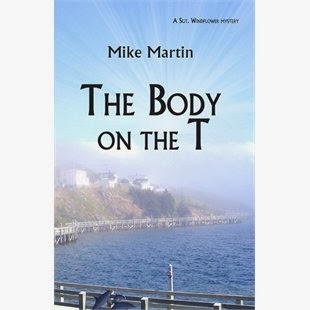
Mike Martin signs his second mystery, THE BODY ON THE T at Brittons, 846 Bank St., 1 p.m. - 3 p.m.
Sat. Nov. 16 -- Erika Chase signs COVER STORY at Perfect Books, 258 Elgin St., 1 p.m. - 3 p.m.
Sun. Nov. 17 -- Sandra Nikolai signs her second book, FATAL WHISPERS at Brittons in the Glebe, 1 p.m. - 3 p.m.
Sat. Nov. 23 -- Barbara Fradkin signs her latest, THE WHISPER OF LEGENDS at Brittons in the Glebe, 1 p.m. - 3 p.m.
Sat. Nov. 30 -- Vicki Delany signs her newest mystery, A COLD WHITE SUN at Brittons in the Glebe, 1 p.m. - 3 p.m.
For a more complete list of book events happening across the country in November, I suggest you visit the Crime Writers of Canada website, always a good place to keep on top of mysterious happenings! www.crimewriterscanada.com
If you haven't heard about my latest blogspot woes, this time I've not been able to post my usual Events column. I must admit, I have only so much patience when it comes to anything electronic. Maybe one day, when my frustration is a dim memory, I'll try again. In the interim, I thought I'd use today's blog to highlight some of the book events coming up in November. There are a lot more happening in this city, Ottawa being a city that's brimming with mystery writers, however these are the signings that I know.
Sat. Nov. 9 -- Erika Chase signs her latest, COVER STORY at Books on Beechwood, 35 Beechwood Ave., 11 a.m. - 1 p.m.
Mike Martin signs his second mystery, THE BODY ON THE T at Brittons, 846 Bank St., 1 p.m. - 3 p.m.
Sat. Nov. 16 -- Erika Chase signs COVER STORY at Perfect Books, 258 Elgin St., 1 p.m. - 3 p.m.
Sun. Nov. 17 -- Sandra Nikolai signs her second book, FATAL WHISPERS at Brittons in the Glebe, 1 p.m. - 3 p.m.
Sat. Nov. 23 -- Barbara Fradkin signs her latest, THE WHISPER OF LEGENDS at Brittons in the Glebe, 1 p.m. - 3 p.m.
Sat. Nov. 30 -- Vicki Delany signs her newest mystery, A COLD WHITE SUN at Brittons in the Glebe, 1 p.m. - 3 p.m.
For a more complete list of book events happening across the country in November, I suggest you visit the Crime Writers of Canada website, always a good place to keep on top of mysterious happenings! www.crimewriterscanada.com
Monday, April 1, 2013
CRIME ON MY MIND
Better late than never....

Oh, boy...Easter came and went and I got lost in the muddle. That's why there wasn't a new post last Friday. So, better late than never....
Congratulations to those short listed for the Bony Blithe Award for best "light" mystery. As you may, or may not know, the Bony Blithe was launched last year at the Bloody Words conference in Toronto. Mega cudos to the BW gang for coming up with this great award. It's been thought for many years that mysteries that tread on the light side often get short shrift at the Arther Ellis Awards. Very seldom to they walk away with the Best Novel or even Best First Novel prize.
So, it seems absolutely right that Bloody Words would come up with such a delighful award, giving recognition to perhaps a sub-genre of the mystery business. As they say, these are mysteries that make us smile.
Since there will not be a Bloody Words conference this year (but I hope you've already registered for 2014 in Toronto!), there will be a special Bony Blithe Gala held instead. It's planned for Wed., May 29th, 6-8 p.m. at the first ever, Gun Club & Quilting Bee Gala Award Reception to be held at The National Club, 303 Bay St. in Toronto.
Mega Congratulations to all the nominees. They are:
* THREADED FOR TROUBLE by Janet Bolin (Berkley)
* FOOD FOR THE GODS by Karen Dudley (Ravenstone)
* A SMALL HILL TO DIE ON by Elizabeth J. Duncan (Minotaur Books)
* A PRIVATE MAN by Chris Liang (Seraphim)
* BLOOD BATH AND BEYOND by Michelle Rowen (Obsidian)
* THE MASTERSINGER FROM MINSK by Morley Torgov (Dundurn)
Hope to see you at the Gala! Come out and enjoy the lighter side of crime.
Oh, boy...Easter came and went and I got lost in the muddle. That's why there wasn't a new post last Friday. So, better late than never....
Congratulations to those short listed for the Bony Blithe Award for best "light" mystery. As you may, or may not know, the Bony Blithe was launched last year at the Bloody Words conference in Toronto. Mega cudos to the BW gang for coming up with this great award. It's been thought for many years that mysteries that tread on the light side often get short shrift at the Arther Ellis Awards. Very seldom to they walk away with the Best Novel or even Best First Novel prize.
So, it seems absolutely right that Bloody Words would come up with such a delighful award, giving recognition to perhaps a sub-genre of the mystery business. As they say, these are mysteries that make us smile.
Since there will not be a Bloody Words conference this year (but I hope you've already registered for 2014 in Toronto!), there will be a special Bony Blithe Gala held instead. It's planned for Wed., May 29th, 6-8 p.m. at the first ever, Gun Club & Quilting Bee Gala Award Reception to be held at The National Club, 303 Bay St. in Toronto.
Mega Congratulations to all the nominees. They are:
* THREADED FOR TROUBLE by Janet Bolin (Berkley)
* FOOD FOR THE GODS by Karen Dudley (Ravenstone)
* A SMALL HILL TO DIE ON by Elizabeth J. Duncan (Minotaur Books)
* A PRIVATE MAN by Chris Liang (Seraphim)
* BLOOD BATH AND BEYOND by Michelle Rowen (Obsidian)
* THE MASTERSINGER FROM MINSK by Morley Torgov (Dundurn)
Hope to see you at the Gala! Come out and enjoy the lighter side of crime.
Monday, August 6, 2012
MAYHEM ON MONDAYS
One of Canada’s Five Most Intriguing Literary Festivals
So says Quill and Quire. They’re talking about Scene of the Crime Mystery Lovers Festival held every August on Wolfe Island, Ontario.
Eleven years ago, when writers Violette Malan and Therese Greenwood began talking about putting on a festival, they had no trouble deciding the venue: Wolfe Island, childhood home of Canada’s first crime writer, Grant Allen. What better place to celebrate the depth and complexity of Canadian crime writing.
And that is what the Festival is all about: Canadian crime writing.
Each year, the board selects one author to receive the prestigious Grant Allen award for Contributions to Canadian Crime Writing. Past recipients have included Peter Robinson, Gail Bowen, William Deverell, Joy Fielding, Maureen Jennings, among others. In addition to the GA honouree, four writers are invited as author guests. The board attempts to choose a combination of sub-genres and both authors with an established body of work and those just starting out who we think show potential for a promising career. The selection committee does not accept suggestions for guests from authors, agents, or publishers. We choose based on books we’ve read; authors we’ve met; authors we’ve heard good things about.
However, the Festival is much more than books and authors. It is also about place. Wolfe Island is the perfect venue for a small intimate festival. There is a free ferry from Kingston, Ontario and from Cape St. Vincent, N.Y. All events are held in easy walking distance of the Kingston ferry dock. The numbers are kept small by necessity as everything is held in Church halls or sanctuaries, thus there is a feel of intimacy that you don’t get at big conventions in hotels. Have a question for your favourite mystery author? Go ahead, come up and say “hi”. If you want, sit with them at lunch or supper or have a chat under the big trees on the church lawn or by the historic cemetery.
Did I mention the food? We kick the day off at ten with a meet and greet coffee and muffin breakfast, then the United Church puts on a delicious cold meat and salads lunch – and real Church Lady pie! Our famous traditional Church supper wraps up things at the Anglican Church in time for everyone to get the 6:30 ferry back to Kingston, or maybe linger a bit longer over a glass of wine at the Island Grill.
If you’re an aspiring writer, come out earlier for the optional workshop that begins at 9 o’clock. You’ll miss the meet and greet, but still have coffee and muffins at the workshop and all the rest of the day to enjoy the events and meet the authors.
This year’s celebration is on August 11th. We have not one, but six, Grant Allen Award Winners, the much-loved Ladies Killing Circle, and the guest authors are young adult author Y.S. Lee, thriller writer D.J. McIntosh, historical author Thomas Rendell Curran, and mystery writer John Moss. The optional workshop (for which an extra charge applies) is titled: Chapter One, Page One: How to get your crime novel off to a great start.
It’s the best deal in town: Free transportation (via Ferry), three meals, and a full day of author panels, readings, presentations and just plain fun.
There are still tickets available at www.sceneofthecrime.ca. We accept PayPal.
See you on the island!
Vicki Delany is one of Canada’s most varied and prolific crime writers. Her popular Constable Molly Smith series from Poisoned Pen Press have been optioned for TV by Brightlight Pictures. She writes a light-hearted historical series set in the raucous heyday of the Klondike Gold Rush, published by Dundurn. She is also the author of a novel for reluctant readers, titled A Winter Kill, part of the Rapid Reads series. As well, she writes standalone novels of modern gothic suspense. Her latest, More than Sorrow, will be released in September, 2012.
Visit Vicki at www.vickidelany.com , www.facebook.com/vicki.delany, and twitter: @vickidelany. She blogs about the writing life at One Woman Crime Wave (http://klondikeandtrafalgar.blogspot.com)
So says Quill and Quire. They’re talking about Scene of the Crime Mystery Lovers Festival held every August on Wolfe Island, Ontario.
Eleven years ago, when writers Violette Malan and Therese Greenwood began talking about putting on a festival, they had no trouble deciding the venue: Wolfe Island, childhood home of Canada’s first crime writer, Grant Allen. What better place to celebrate the depth and complexity of Canadian crime writing.
And that is what the Festival is all about: Canadian crime writing.
Each year, the board selects one author to receive the prestigious Grant Allen award for Contributions to Canadian Crime Writing. Past recipients have included Peter Robinson, Gail Bowen, William Deverell, Joy Fielding, Maureen Jennings, among others. In addition to the GA honouree, four writers are invited as author guests. The board attempts to choose a combination of sub-genres and both authors with an established body of work and those just starting out who we think show potential for a promising career. The selection committee does not accept suggestions for guests from authors, agents, or publishers. We choose based on books we’ve read; authors we’ve met; authors we’ve heard good things about.
However, the Festival is much more than books and authors. It is also about place. Wolfe Island is the perfect venue for a small intimate festival. There is a free ferry from Kingston, Ontario and from Cape St. Vincent, N.Y. All events are held in easy walking distance of the Kingston ferry dock. The numbers are kept small by necessity as everything is held in Church halls or sanctuaries, thus there is a feel of intimacy that you don’t get at big conventions in hotels. Have a question for your favourite mystery author? Go ahead, come up and say “hi”. If you want, sit with them at lunch or supper or have a chat under the big trees on the church lawn or by the historic cemetery.
Did I mention the food? We kick the day off at ten with a meet and greet coffee and muffin breakfast, then the United Church puts on a delicious cold meat and salads lunch – and real Church Lady pie! Our famous traditional Church supper wraps up things at the Anglican Church in time for everyone to get the 6:30 ferry back to Kingston, or maybe linger a bit longer over a glass of wine at the Island Grill.
If you’re an aspiring writer, come out earlier for the optional workshop that begins at 9 o’clock. You’ll miss the meet and greet, but still have coffee and muffins at the workshop and all the rest of the day to enjoy the events and meet the authors.
This year’s celebration is on August 11th. We have not one, but six, Grant Allen Award Winners, the much-loved Ladies Killing Circle, and the guest authors are young adult author Y.S. Lee, thriller writer D.J. McIntosh, historical author Thomas Rendell Curran, and mystery writer John Moss. The optional workshop (for which an extra charge applies) is titled: Chapter One, Page One: How to get your crime novel off to a great start.
It’s the best deal in town: Free transportation (via Ferry), three meals, and a full day of author panels, readings, presentations and just plain fun.
There are still tickets available at www.sceneofthecrime.ca. We accept PayPal.
See you on the island!
Vicki Delany is one of Canada’s most varied and prolific crime writers. Her popular Constable Molly Smith series from Poisoned Pen Press have been optioned for TV by Brightlight Pictures. She writes a light-hearted historical series set in the raucous heyday of the Klondike Gold Rush, published by Dundurn. She is also the author of a novel for reluctant readers, titled A Winter Kill, part of the Rapid Reads series. As well, she writes standalone novels of modern gothic suspense. Her latest, More than Sorrow, will be released in September, 2012.
Visit Vicki at www.vickidelany.com , www.facebook.com/vicki.delany, and twitter: @vickidelany. She blogs about the writing life at One Woman Crime Wave (http://klondikeandtrafalgar.blogspot.com)
Friday, June 29, 2012
CRIME ON MY MIND
Cool Canadian Crime!
If you have time for a breather over the holiday weekend, I hope you'll grab a mystery by a Canadian author and just chill out for a while. Since we're celebrating the birthday of our wonderful country, it's a good time to also revel in the accomplishments of so many talented Canadians. I mean the entire gamut of folks who shine in the arts, sports, humanities, medicine, technology, military, yes, even the government. And so many more. We owe them a lot because they make this country so amazing.
I could never list all the Canadian mystery writers out there but you could check the Crime Writers of Canadian website for a fairly extensive list. http://www.crimewriterscanada.com. And there are many others, too. But I'd like to compile a list (yes, another list but different from the Summer mystery reading list -- which I'm hoping to post over the weekend).
I'll start...hope you'll add your favourites in the comments section. In no particular order:
Gail Bowen, William Deverell, Joan Boswell, Peter Robinson, Barbara Fradkin, Mary Jane Maffini, Thomas Rendell Curran, C.B. Forrest, Brenda Chapman, Vicki Delany, Sue Pike, Lou Allin, Pam Curran, D.J. McIntosh, Elizabeth Duncan, Robin Spano, Garry Ryan, Peggy Blair, Anthony Bidulka, R.J. Harlick, Melodie Campbell, Maureen Jennings, Eric Wright, Howard Engel, John Brady, Jose Latour, Janet Kellough, Giles Blunt, Linwood Barclay Howard Shrier, Phyllis Smallman, Rick Mofina, Cathy Astolfo, Brad Smith, Alison Preston, Dave Hugelschaffer, John Moss, John Lawrence Reynolds, David Russell, Janet Bolin, Erika Chase, Deryn Collier, Sylvia Maultash Warsh, Anne Emery, Rosemary McCracken, Janice MacDonald, Jill Edmondson, Alison Bruce, Gloria Ferris, Susanna Kearsley, Robert Rotenberg, Hilary MacLeod...
Okay...I'm all worn out. Your turn!
Congratulations to all our hot writers of cool Canadian crime! Happy Canada Day!
Linda Wiken/Erika Chase
A KILLER READ
Berkley Prime Crime, now available
READ & BURIED, coming Dec., 2012
www.erikachase.com
If you have time for a breather over the holiday weekend, I hope you'll grab a mystery by a Canadian author and just chill out for a while. Since we're celebrating the birthday of our wonderful country, it's a good time to also revel in the accomplishments of so many talented Canadians. I mean the entire gamut of folks who shine in the arts, sports, humanities, medicine, technology, military, yes, even the government. And so many more. We owe them a lot because they make this country so amazing.
I could never list all the Canadian mystery writers out there but you could check the Crime Writers of Canadian website for a fairly extensive list. http://www.crimewriterscanada.com. And there are many others, too. But I'd like to compile a list (yes, another list but different from the Summer mystery reading list -- which I'm hoping to post over the weekend).
I'll start...hope you'll add your favourites in the comments section. In no particular order:
Gail Bowen, William Deverell, Joan Boswell, Peter Robinson, Barbara Fradkin, Mary Jane Maffini, Thomas Rendell Curran, C.B. Forrest, Brenda Chapman, Vicki Delany, Sue Pike, Lou Allin, Pam Curran, D.J. McIntosh, Elizabeth Duncan, Robin Spano, Garry Ryan, Peggy Blair, Anthony Bidulka, R.J. Harlick, Melodie Campbell, Maureen Jennings, Eric Wright, Howard Engel, John Brady, Jose Latour, Janet Kellough, Giles Blunt, Linwood Barclay Howard Shrier, Phyllis Smallman, Rick Mofina, Cathy Astolfo, Brad Smith, Alison Preston, Dave Hugelschaffer, John Moss, John Lawrence Reynolds, David Russell, Janet Bolin, Erika Chase, Deryn Collier, Sylvia Maultash Warsh, Anne Emery, Rosemary McCracken, Janice MacDonald, Jill Edmondson, Alison Bruce, Gloria Ferris, Susanna Kearsley, Robert Rotenberg, Hilary MacLeod...
Okay...I'm all worn out. Your turn!
Congratulations to all our hot writers of cool Canadian crime! Happy Canada Day!
Linda Wiken/Erika Chase
A KILLER READ
Berkley Prime Crime, now available
READ & BURIED, coming Dec., 2012
www.erikachase.com
Thursday, April 5, 2012
LADIES' KILLING THURSDAYS
Honouring one of our own.
Today on Ladies’ Killing Circle Thursday, I want to celebrate the Mystery Maven herself. This is a very special week for her.
For nearly twenty-five years, Linda has worked tirelessly on behalf of Canadian mystery writers and readers. She started off by founding a local writers’ group called Capital Crime Writers at a time when there were almost no groups dedicated to this craft. It began with half a dozen members and over the years grew to about eighty, becoming the most productive writers’ group in the city, possibly the country. It is responsible for Ottawa’s huge success as a hotbed of crime (writing, I mean), launching the careers of about twenty published writers. Linda was its first president. In short order she also gathered together the critiquing group that became the Ladies’ Killing Circle, editors of seven successful short story anthologies.
Her love of mysteries, and her understanding of the hurdles faced by new authors and particularly Canadian authors, also led her to buy Prime Crime Mystery Bookstore along with friend and fellow Ladies’ Killing Circle author Mary Jane Maffini. Over the years, Linda welcomed numerous authors for signings in her store, found homes for their books and celebrated their launches. When Mary Jane’s writing demands became too arduous, Linda continued alone, one of only a half-dozen bookstores dedicated to crime in the entire country.
In the twenty years since we began, we LKCers have all had success with our short stories. We have sold stories elsewhere and received numerous Arthur Ellis Best Short Story nominations and awards (including Linda). We have also gone on to success in other writing ventures, three of us as novelists, Vicki Cameron as a YA writer both here and overseas, and Sue Pike as a publisher/ editor of her own anthology, as well as a premiere short story writer. Linda hosted all our launches and supported us throughout, while her own writing aspirations had to take a back seat.
But no more. After ten years of coping with economic crashes, the rise of big box stores and road construction on the store’s street, Linda decided it was time to let her own dreams take flight. She worked hard on a proposal, landed a three-book publishing contract with Berkeley, and began to write the first in her Ashton Corners Book Club series set in Alabama and written under the pen name Erika Chase. As every author knows, it’s a looo-ooong process from first draft to book-on-the-shelf, but that day finally arrived this week. Linda’s debut novel, A Killer Read, was released this week, and will be officially launched at the Library and Archives Canada on April 19.
Even as she worked on her own writing, Linda didn’t abandon her crime writing and reading friends. To replace Prime Crime Bookstore, she launched Mystery Maven Canada, which has quickly become one of the top blogs of, for and about Canadian crime fiction.
But enough of self-sacrifice, Linda. This is your week, and I know that the rest of us LKCers and indeed all your friends in the writing community are thrilled for you. A Killer Read is a fabulous read. Come hell or high water, we will all be there on April 19 to celebrate with you. Congratulations, Linda!
Barbara Fradkin is a child psychologist with a fascination for how we turn bad. In addition to her darkly haunting short stories in the Ladies Killing Circle anthologies, she writes the gritty, Ottawa-based Inspector Green novels which havewon back to back Arthur Ellis Awards for Best Novel from Crime Writers of Canada. The eighth in the series, Beautiful Lie the Dead, explores love in all its complications. And, her new Rapid Read from Orca, The Fall Guy, was launched last May.
Today on Ladies’ Killing Circle Thursday, I want to celebrate the Mystery Maven herself. This is a very special week for her.
For nearly twenty-five years, Linda has worked tirelessly on behalf of Canadian mystery writers and readers. She started off by founding a local writers’ group called Capital Crime Writers at a time when there were almost no groups dedicated to this craft. It began with half a dozen members and over the years grew to about eighty, becoming the most productive writers’ group in the city, possibly the country. It is responsible for Ottawa’s huge success as a hotbed of crime (writing, I mean), launching the careers of about twenty published writers. Linda was its first president. In short order she also gathered together the critiquing group that became the Ladies’ Killing Circle, editors of seven successful short story anthologies.
Her love of mysteries, and her understanding of the hurdles faced by new authors and particularly Canadian authors, also led her to buy Prime Crime Mystery Bookstore along with friend and fellow Ladies’ Killing Circle author Mary Jane Maffini. Over the years, Linda welcomed numerous authors for signings in her store, found homes for their books and celebrated their launches. When Mary Jane’s writing demands became too arduous, Linda continued alone, one of only a half-dozen bookstores dedicated to crime in the entire country.
In the twenty years since we began, we LKCers have all had success with our short stories. We have sold stories elsewhere and received numerous Arthur Ellis Best Short Story nominations and awards (including Linda). We have also gone on to success in other writing ventures, three of us as novelists, Vicki Cameron as a YA writer both here and overseas, and Sue Pike as a publisher/ editor of her own anthology, as well as a premiere short story writer. Linda hosted all our launches and supported us throughout, while her own writing aspirations had to take a back seat.
But no more. After ten years of coping with economic crashes, the rise of big box stores and road construction on the store’s street, Linda decided it was time to let her own dreams take flight. She worked hard on a proposal, landed a three-book publishing contract with Berkeley, and began to write the first in her Ashton Corners Book Club series set in Alabama and written under the pen name Erika Chase. As every author knows, it’s a looo-ooong process from first draft to book-on-the-shelf, but that day finally arrived this week. Linda’s debut novel, A Killer Read, was released this week, and will be officially launched at the Library and Archives Canada on April 19.
Even as she worked on her own writing, Linda didn’t abandon her crime writing and reading friends. To replace Prime Crime Bookstore, she launched Mystery Maven Canada, which has quickly become one of the top blogs of, for and about Canadian crime fiction.
But enough of self-sacrifice, Linda. This is your week, and I know that the rest of us LKCers and indeed all your friends in the writing community are thrilled for you. A Killer Read is a fabulous read. Come hell or high water, we will all be there on April 19 to celebrate with you. Congratulations, Linda!
Barbara Fradkin is a child psychologist with a fascination for how we turn bad. In addition to her darkly haunting short stories in the Ladies Killing Circle anthologies, she writes the gritty, Ottawa-based Inspector Green novels which havewon back to back Arthur Ellis Awards for Best Novel from Crime Writers of Canada. The eighth in the series, Beautiful Lie the Dead, explores love in all its complications. And, her new Rapid Read from Orca, The Fall Guy, was launched last May.
Wednesday, April 4, 2012
WICKED WEDNESDAYS
The masters of crime....
April is also the release month for another Canadian mystery author, one far better known than Erika Chase, whose contribution to the Canadian crime writing scene is immense.
Gail Bowen's 13th novel in the Joanne Kilbourn series, Kaleidoscope, will be released later this month. That's an amazing feat from the viewpoint of someone just starting to populate the shelves.
Gail's first book, Deadly Appearances appeared in 1990 and I was hooked. I loved the Joanne Kilbourn character, the recent widow of a political aide, who becomes enmeshed in the murder of a politician they both knew. She was a clever, warm, convincing person, mother of two, and if I recall correctly, teaching part-time at the university. My apologies, Gail if I've gotten the teaching part wrong. I obviously need to go back and start at the beginning again. I'd enjoy that!
In subsequent novels, Joanne Kilbourn has grown on all fronts -- as a mother, teacher, lover and once again, married but always, a sleuth who is passionate about helping her friends and writing wrongs. That sounds trite but Joanne has a strong sense of morality and integrity, both propelling her to search for the truth.
The novels have grown in depth and breadth, all to the benefit of the Canadian mystery writing scene, emerging authors, and the ever-demanding readers.
We owe Gail Bowen an enormous amount of respect. Just as we also owe Peter Robinson, William Deverell, and those giants of crime writing, Eric Wright, Howard Engel, L.R. Wright, Laurence Gough and Medora Sale. Those were the authors who led the charge to making the crime and mystery writing genre a relevant piece of the cultural landscape in this country. Of course, there were others and I should go on but I know I'll always leave out a name of importance.
Perhaps you can help me? Who would you add to this list? And, I'm thinking, authors who started their careers in the 70's, 80's and 90's.
Linda Wiken/Erika Chase
A Killer Read
Berkley Prime Crime
www.erikachase.com
April is also the release month for another Canadian mystery author, one far better known than Erika Chase, whose contribution to the Canadian crime writing scene is immense.
Gail Bowen's 13th novel in the Joanne Kilbourn series, Kaleidoscope, will be released later this month. That's an amazing feat from the viewpoint of someone just starting to populate the shelves.
Gail's first book, Deadly Appearances appeared in 1990 and I was hooked. I loved the Joanne Kilbourn character, the recent widow of a political aide, who becomes enmeshed in the murder of a politician they both knew. She was a clever, warm, convincing person, mother of two, and if I recall correctly, teaching part-time at the university. My apologies, Gail if I've gotten the teaching part wrong. I obviously need to go back and start at the beginning again. I'd enjoy that!
In subsequent novels, Joanne Kilbourn has grown on all fronts -- as a mother, teacher, lover and once again, married but always, a sleuth who is passionate about helping her friends and writing wrongs. That sounds trite but Joanne has a strong sense of morality and integrity, both propelling her to search for the truth.
The novels have grown in depth and breadth, all to the benefit of the Canadian mystery writing scene, emerging authors, and the ever-demanding readers.
We owe Gail Bowen an enormous amount of respect. Just as we also owe Peter Robinson, William Deverell, and those giants of crime writing, Eric Wright, Howard Engel, L.R. Wright, Laurence Gough and Medora Sale. Those were the authors who led the charge to making the crime and mystery writing genre a relevant piece of the cultural landscape in this country. Of course, there were others and I should go on but I know I'll always leave out a name of importance.
Perhaps you can help me? Who would you add to this list? And, I'm thinking, authors who started their careers in the 70's, 80's and 90's.
Linda Wiken/Erika Chase
A Killer Read
Berkley Prime Crime
www.erikachase.com
Tuesday, March 27, 2012
TUESDAY BRINGS TROUBLE
Sweating the small stuff
I remember very well speaking with a woman who wanted to be a writer in the worst way. She buttonholed me at a bookstore signing in a large chain store in western Ontario. Because the store wasn’t very busy that Sunday, I was standing there, flyers and bookmarks in hand, waiting to waylay anyone who even glanced in my direction.
I saw her from the corner of my eye, speaking with the assistant manager who pointed in my direction. I thought to myself, This might actually be someone who’s heard of me and came to meet me and buy a book. With so much spare time on my hands, it was certainly a gratifying turn of events.
“You’re an author,” she said after she marched over and stood in front of me. “So am I.”
My heart sank. Anyone who’s ever done a signing knows enough to cringe when this sort of thing happens. These people usually want to talk about themselves and figure you have all day to speak to them – usually right about the time a busload of mystery fans arrive. It’s very difficult to speak with these people since they all seem to want to make some point. It’s also very difficult to extract yourself from a conversation with them. (They also seldom buy books.)
Still, there’s never any reason to be rude to people. “So how many books have you published?” I asked.
“None.”
This was looking worse and worse. If they haven’t published, then one of these “authors” probably wants you to recommend them to your publisher/agent/editor or tell them how they can get started.
“And do you write crime fiction?”
“Of course!” she said with a look that made me completely aware she thought I was an idiot for asking.
Another shopper was looking at my neglected display of books. “You’ll have to excuse me for a moment,” I told her, and I turned away to speak with the woman who’d picked up one of my books. I also handed the author one of my flyers, hoping that it would impart the information this woman desired and that would be that.
About five minutes later, the other woman had bought a book (!) and I’d also sold one other to a man who’d also come over. The author was still there, so I turned to her.
She handed back the flyer. “This is very well written. Who did it for you?”
“I did,” and explained that someone at my level of importance has to produce most of my own promotional material.
“But who corrected it for you?”
“No one. Well, that’s not true. My wife looked it over to see if I’d missed anything.”
“I never correct my own writing. That’s what editors are for.”
I’m certain my eyebrows went up. “So you have submitted manuscripts?”
“I have, but they tell me I’m not yet polished enough for them to consider my novel.”
“Well, surely you send them a polished version of it.”
“It’s as polished as I can make it. Certainly there are no misspelled words or poor punctuation. But I also believe that it’s possible to polish something so much that the prose becomes dead.”
I nodded. It is possible to do this, I supposed.
It turned out that this woman’s novel was set in England and it concerned the murder of a man who turns out to be a Soviet spy who’d been living undetected in the UK for years.
Now here’s the kicker: this woman had never been to the town in England where she had set her story. She’d never been to England. From talking to her, it was pretty obvious she knew nothing about spying and didn’t care to learn. Her protagonist was a real estate agent, while the author had been a school teacher. She didn’t know and real estate agents, either.
“Do you call your character a real estate agent or an estate agent?” I asked.
“Is there a difference?”
I explained. “In the UK they’re called estate agents.”
“I wasn’t aware of that.”
I felt like shaking her. She should be aware of that if she wants to write a book that’s convincing. I tried to explain that, especially in crime fiction, the author needs to gain the trust of the reader. If you set your novel in the UK, it has to have all the correct terms and language. Lose that trust (or never gain it) and you’ve lost you’re reader. That trust is found in the little details.
“But the editor will correct those things, won’t they?” she asked.
I spent a further ten minutes with her, explaining that any writer has to know as much as they can about their subject matter. Publishers, editors, agents and eventually readers want things to be accurate and based on fact, and they won’t be forgiving. If you’ve got those kinds of errors in you manuscript, it won’t be considered seriously.
“So I have to know every little detail?”
I nodded.
“Being an author is much more difficult than I thought it would be.”
I could only nod again.
Rick Blechta is a Toronto author and musician. Oddly enough, his thrillers have musicians as their main characters. Next September will see the publication of his eighth novel, The Fallen One. In June, he will be the Master of Ceremonies for Bloody Words in Toronto. You can catch him playing trumpet in The Advocats big band on the first Monday of every month at People’s Chicken
I remember very well speaking with a woman who wanted to be a writer in the worst way. She buttonholed me at a bookstore signing in a large chain store in western Ontario. Because the store wasn’t very busy that Sunday, I was standing there, flyers and bookmarks in hand, waiting to waylay anyone who even glanced in my direction.
I saw her from the corner of my eye, speaking with the assistant manager who pointed in my direction. I thought to myself, This might actually be someone who’s heard of me and came to meet me and buy a book. With so much spare time on my hands, it was certainly a gratifying turn of events.
“You’re an author,” she said after she marched over and stood in front of me. “So am I.”
My heart sank. Anyone who’s ever done a signing knows enough to cringe when this sort of thing happens. These people usually want to talk about themselves and figure you have all day to speak to them – usually right about the time a busload of mystery fans arrive. It’s very difficult to speak with these people since they all seem to want to make some point. It’s also very difficult to extract yourself from a conversation with them. (They also seldom buy books.)
Still, there’s never any reason to be rude to people. “So how many books have you published?” I asked.
“None.”
This was looking worse and worse. If they haven’t published, then one of these “authors” probably wants you to recommend them to your publisher/agent/editor or tell them how they can get started.
“And do you write crime fiction?”
“Of course!” she said with a look that made me completely aware she thought I was an idiot for asking.
Another shopper was looking at my neglected display of books. “You’ll have to excuse me for a moment,” I told her, and I turned away to speak with the woman who’d picked up one of my books. I also handed the author one of my flyers, hoping that it would impart the information this woman desired and that would be that.
About five minutes later, the other woman had bought a book (!) and I’d also sold one other to a man who’d also come over. The author was still there, so I turned to her.
She handed back the flyer. “This is very well written. Who did it for you?”
“I did,” and explained that someone at my level of importance has to produce most of my own promotional material.
“But who corrected it for you?”
“No one. Well, that’s not true. My wife looked it over to see if I’d missed anything.”
“I never correct my own writing. That’s what editors are for.”
I’m certain my eyebrows went up. “So you have submitted manuscripts?”
“I have, but they tell me I’m not yet polished enough for them to consider my novel.”
“Well, surely you send them a polished version of it.”
“It’s as polished as I can make it. Certainly there are no misspelled words or poor punctuation. But I also believe that it’s possible to polish something so much that the prose becomes dead.”
I nodded. It is possible to do this, I supposed.
It turned out that this woman’s novel was set in England and it concerned the murder of a man who turns out to be a Soviet spy who’d been living undetected in the UK for years.
Now here’s the kicker: this woman had never been to the town in England where she had set her story. She’d never been to England. From talking to her, it was pretty obvious she knew nothing about spying and didn’t care to learn. Her protagonist was a real estate agent, while the author had been a school teacher. She didn’t know and real estate agents, either.
“Do you call your character a real estate agent or an estate agent?” I asked.
“Is there a difference?”
I explained. “In the UK they’re called estate agents.”
“I wasn’t aware of that.”
I felt like shaking her. She should be aware of that if she wants to write a book that’s convincing. I tried to explain that, especially in crime fiction, the author needs to gain the trust of the reader. If you set your novel in the UK, it has to have all the correct terms and language. Lose that trust (or never gain it) and you’ve lost you’re reader. That trust is found in the little details.
“But the editor will correct those things, won’t they?” she asked.
I spent a further ten minutes with her, explaining that any writer has to know as much as they can about their subject matter. Publishers, editors, agents and eventually readers want things to be accurate and based on fact, and they won’t be forgiving. If you’ve got those kinds of errors in you manuscript, it won’t be considered seriously.
“So I have to know every little detail?”
I nodded.
“Being an author is much more difficult than I thought it would be.”
I could only nod again.
Rick Blechta is a Toronto author and musician. Oddly enough, his thrillers have musicians as their main characters. Next September will see the publication of his eighth novel, The Fallen One. In June, he will be the Master of Ceremonies for Bloody Words in Toronto. You can catch him playing trumpet in The Advocats big band on the first Monday of every month at People’s Chicken
Monday, October 10, 2011
MAYHEM ON MONDAYS
On this gorgeous Thanksgiving Day there’s much to be thankful for, especially if you’re a Canadian mystery writer.
I know, I know. The sky is falling. E-books and the erosion of the Indies and economic setbacks are hitting the book world hard. The book is dead. It is the end of literacy. Other people can and will talk about that.
But today I still feel that there’s a lot to be thankful for. When I first thought I might try my hand at writing half a lifetime ago, there were very few Canadian mysteries and few opportunities to get them published even if you had a drawer full of manuscripts (no names mentioned, but that might have been me). I knew that because before I was a writer, I was a voracious reader of mysteries and it was slim pickings if you wanted Canadian settings. So much so that I still remember my excitement in discovering Howard Engel’s Benny Cooperman books.
Turn the clock forward and these days roughly sixty Canadian mysteries are submitted in any given year to the Crime Writers of Canada Arthur Ellis Awards. That’s just for best novel. There will be at least fifteen (and often more) first novels submitted, not to mention dozens of crime shorts, children’s and young adult mysteries and world-class non-fiction.
Next, there’s such a variety: like your crime fiction dark and brooding, you can have that. Cozy and light-hearted? No problem. Prefer a gay protagonist? You have many choices. Wilderness setting? We have great ones. Just pick your province. Perhaps the traditional police procedural is your slug of Scotch. You won’t be able to stop at one. Funny? You betcha. Maybe you need a private detective? You can have a deal on a fictional Canadian one. There’s a Canadian mystery series to suit everyone and when I say everyone, I really mean me. Happiness begins at home, you know.
I like British mysteries, crime novels set in the US, those gloomy Scandinavians dudes, and elegantly snide Europeans, but really, it’s great to be home.
I am thankful that I can explore Canada from coast to coast to coast, small towns, big cities, chunks of rugged shield or endless trees and never run out of home grown homicide, contemporary or historical.
I am proud that many of our Canadian authors are making it big in other countries.
This didn’t just happen. People worked to make it so. The Crime Writers of Canada has led the vanguard for twenty-five years. Volunteers on the executive have worked tirelessly to raise the profile of Canadian mysteries. Here in Ottawa, Capital Crime Writers has been helping authors hone their skills and learn about the business for more than twenty years with terrific results.
Mystery writers themselves have made every effort to meet readers through blogs (like this), library programs, signings in bookstores, workshops and more. Librarians have done their best to bring Canadian mysteries to their readers and mystery bookstores and general bookstores with mystery loving staff have done much to make sure your eyes light on Canadian mysteries. In the Globe and Mail there is much better coverage of Canadian mysteries than in the bad old days. Yes, review space is shrinking and it’s harder to find the crime reviews, but the chances are if there’s a new Canadian mystery, it will be reviewed by Margaret Cannon. Even ten years ago, that was not the case.
Finally more publishers have mystery lines: Even twenty years ago, the large, established publishing companies used to publish the bulk of the mysteries. Now Dundurn, NeWest, Touchwood and others have put some muscle into publishing in this favourite genre. My own publisher RendezVous Crime had a very extensive line of mysteries. It has now been absorbed into Dundurn and it looks like the RVP crime family has found a home there. Something else to be thankful for.
Are there holes in this fabric? Of course. Will we worry about them? Sure. But for today, I want to celebrate and be thankful for how far we’ve come in thirty years.
Mary Jane Maffini
Friday, October 7, 2011
CRIME ON MY MIND
A Capital Crime idea!
There are a lot of really nice people with really criminal tendencies in the Ottawa area. Before you start naming some of the obvious...I'm talking about the members of Capital Crime Writers (CCW).
They come from near and far in the National Capital Region to attend the monthly meetings held at the Library & Archives Canada -- the second Wednesday of each month -- and listen with rapt attention to the speakers. These vary from the amazingly large contingent of published mystery writers who live here to the wonderfully generous professionals about whom we write. The police, fraud investigators, pathologists, lawyers, private investigators, arson experts -- they're happy to share their stories and expertise in aid of authenticity in the mystery novel.
CCW also boasts an outstanding newsletter available to members, with invaluable items about markets, trends, writing techniques and events. This has been one of the most useful member benefits in the association's existence.
Last year, to celebrate its 20th anniversary, Capital Crime Writers undertook a day-long writing event at the Ottawa Public Library. This year, building on the popularity of that celebration, CCW once again is presenting A Day to Kill -- Sat., Oct. 22, 9:30-4:30 at the main branch of the Ottawa Public Library, 120 Metcalfe St. It's free and the public is also invited to join in. The program includes panels, readings and prizes plus a half-day workshop by award-winning author Mary Jane Maffini entitled A Character Building Exercise.
This is one of the strengths of CCW. That there is such a terrific wealth of talented members who are so willing to share their knowledge of the craft. And that's what Capital Crime Writers is all about -- writers sharing with writers, no matter what stage in the writing process you find yourself. It's that opportunity to learn from and to support each other, that makes CCW such a success. And a necessity in this business.
But, isn't that what the Canadian mystery writing scene is all about? Congeniality, support, sharing and, of yes, strong criminal tendencies!
Linda Wiken/Erika Chase
A Killer Read coming April 3, 2012
from Berkley Prime Crime
There are a lot of really nice people with really criminal tendencies in the Ottawa area. Before you start naming some of the obvious...I'm talking about the members of Capital Crime Writers (CCW).
They come from near and far in the National Capital Region to attend the monthly meetings held at the Library & Archives Canada -- the second Wednesday of each month -- and listen with rapt attention to the speakers. These vary from the amazingly large contingent of published mystery writers who live here to the wonderfully generous professionals about whom we write. The police, fraud investigators, pathologists, lawyers, private investigators, arson experts -- they're happy to share their stories and expertise in aid of authenticity in the mystery novel.
CCW also boasts an outstanding newsletter available to members, with invaluable items about markets, trends, writing techniques and events. This has been one of the most useful member benefits in the association's existence.
Last year, to celebrate its 20th anniversary, Capital Crime Writers undertook a day-long writing event at the Ottawa Public Library. This year, building on the popularity of that celebration, CCW once again is presenting A Day to Kill -- Sat., Oct. 22, 9:30-4:30 at the main branch of the Ottawa Public Library, 120 Metcalfe St. It's free and the public is also invited to join in. The program includes panels, readings and prizes plus a half-day workshop by award-winning author Mary Jane Maffini entitled A Character Building Exercise.
This is one of the strengths of CCW. That there is such a terrific wealth of talented members who are so willing to share their knowledge of the craft. And that's what Capital Crime Writers is all about -- writers sharing with writers, no matter what stage in the writing process you find yourself. It's that opportunity to learn from and to support each other, that makes CCW such a success. And a necessity in this business.
But, isn't that what the Canadian mystery writing scene is all about? Congeniality, support, sharing and, of yes, strong criminal tendencies!
Linda Wiken/Erika Chase
A Killer Read coming April 3, 2012
from Berkley Prime Crime
Subscribe to:
Comments (Atom)